Somewhere along the way, the cultural narrative shifted. Many Americans stopped believing they could disagree without losing each other. Conversations became performances, politics became identity, and social media began to reward outrage over understanding. Even within families, we began avoiding certain topics altogether, afraid that one wrong sentence could fracture a relationship beyond repair.
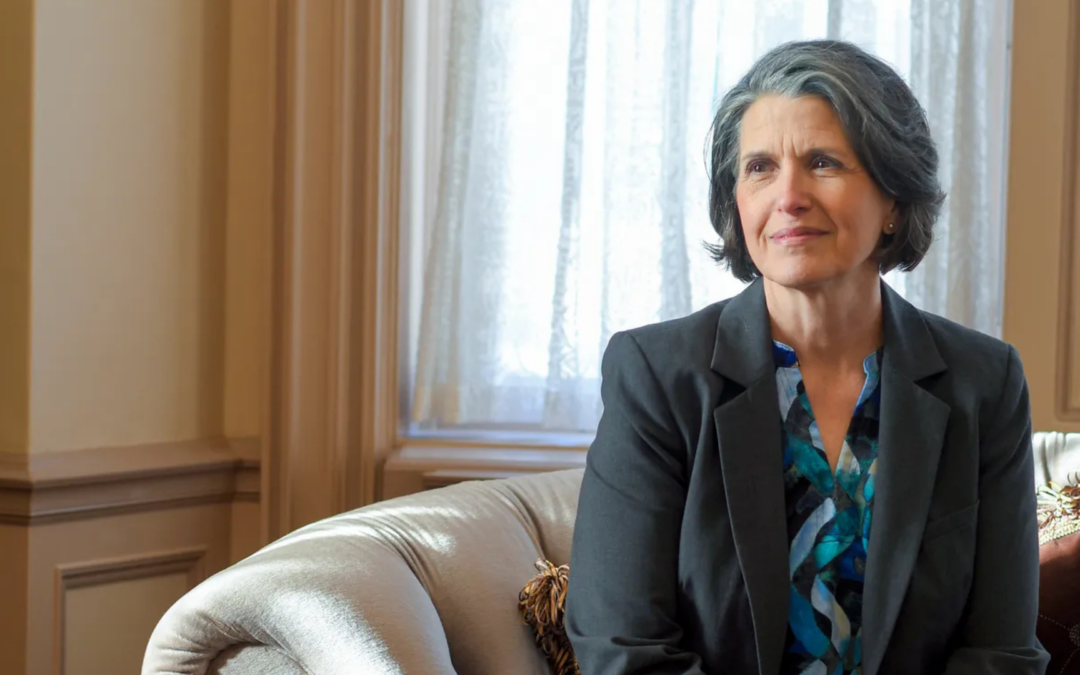
Tami Pyfer, co-founder of Dignity.Us, has spent the last several years asking a deceptively simple question: What happens to a society when contempt becomes embedded in the foundation? And perhaps more importantly: What happens when dignity returns?
Seeing Through the Lens of Dignity
Pyfer’s work is shaped by years in education and public service, but its core is deeply human. She often returns to the emotional undercurrents beneath our behavior—the fear of rejection, the ache of misunderstanding, and the instinct to protect ourselves by hardening against others.
Through her work with the Dignity Index, Pyfer advocates for seeing the world “through the lens of dignity.” This perspective recognizes that every interaction carries the potential either to humanize or diminish another person. In a culture driven by speed and constant reaction, this choice to humanize is becoming a rare but vital skill.
The Data of Disconnection
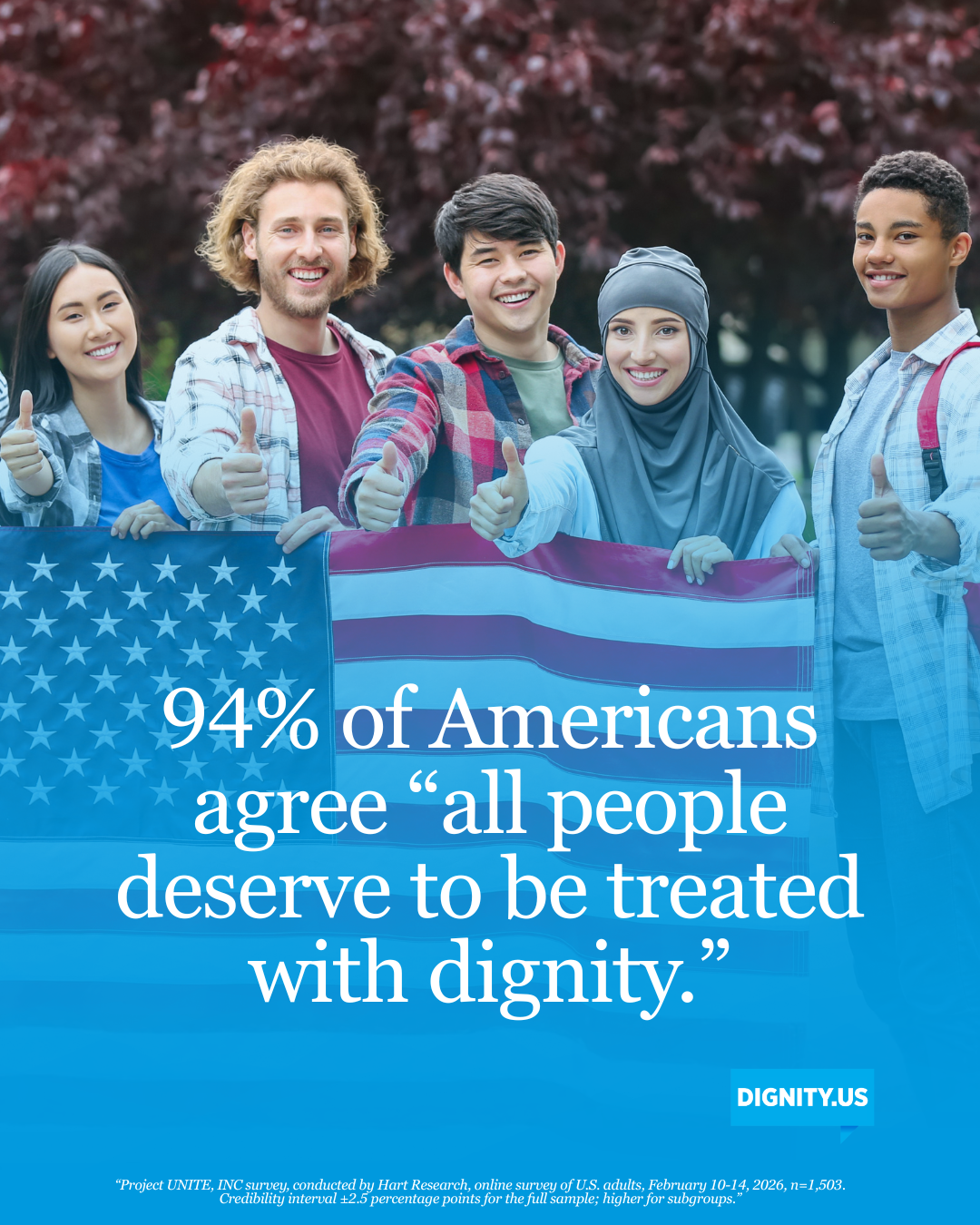
The need for this shift isn’t just anecdotal; it’s measurable. The recently released Dignity in America Barometer revealed a painful gap between our values and our behavior. While 94% of Americans believe every person deserves dignity, only 31% believe we consistently treat one another that way. Even more striking, 77% say the problem is getting worse.
These numbers point to an overwhelming emotional exhaustion. It’s the fatigue of constantly bracing for conflict, whether at the dinner table, in the workplace, or in the comments section. Pyfer sees this not just as an ideological divide, but as a fundamental loss of curiosity and the ability to remain human with one another when emotions rise.
Dignity is Not Politeness
One of the most important distinctions in Pyfer’s work—and one she emphasizes in her “Dignity at Work” and “Dignity holds the line” articles—is that dignity is not about pretending differences do not exist. It is not politeness for the sake of appearances, nor is it passive agreement.
In many ways, it is the opposite. Dignity matters most precisely when relationships are strained and when walking away would be easier than staying engaged. It requires a specific kind of restraint: holding our convictions firmly without treating those who disagree with contempt.
Today, this message is resonating across traditional divides:
-
In Schools: Educators are exploring how dignity affects belonging and emotional safety.
-
In the Workplace: Leaders are realizing that productivity and innovation require an environment where people feel “seen and valued.”
-
In Families: People are finding the courage to restart conversations they once avoided, choosing love over being “right.”
The Bravery of Simplicity
Pyfer does not suggest that this path is easy. Dignity requires the humility to admit that we are all capable of reducing another person to a stereotype or an enemy.
But there is a profound hope sitting at the center of this movement. Beneath the noise of the algorithms, people are not looking for less truth—they are looking for more humanity. They are searching for a better way to relate to one another, built on the belief that small moments of dignity still matter.
In a culture increasingly shaped by performance, choosing to see another person as fully human is a quiet act of rebellion. It might just be one of the bravest things we have left.